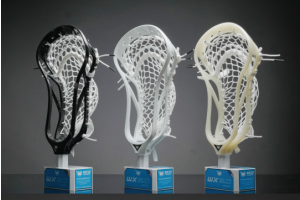
What Lacrosse Gear Do You Need? Beginner Equipment Checklist


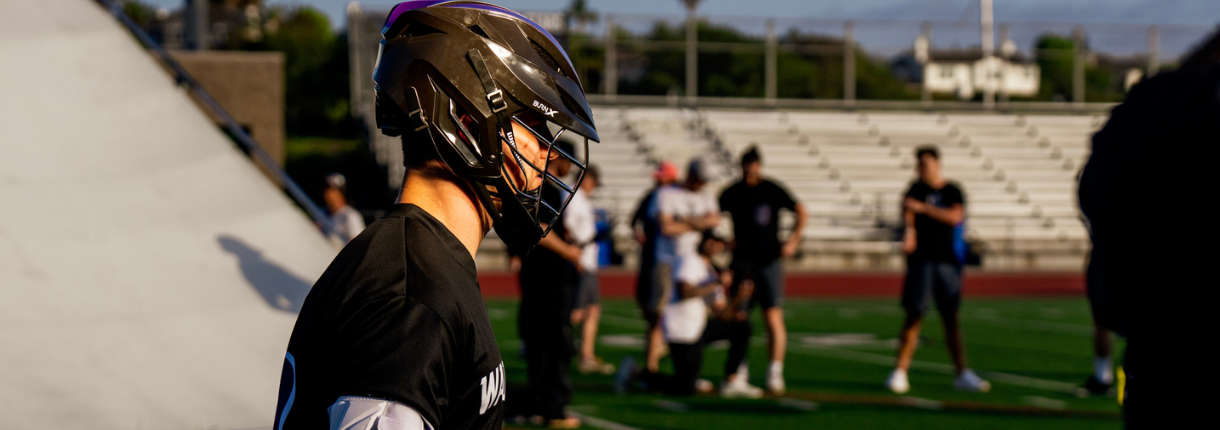
Lacrosse is one of the fastest-growing sports in the country, and between school teams, club programs, the pro game, Sixes, and lacrosse's return to the Olympic stage, it's never been easier to get excited about picking up a stick for the first time. But that same buzz can make buying beginner lacrosse gear feel overwhelming — especially when you're staring down a wall of helmets, pads, gloves, and sticks without knowing where to start.
Here's the most important thing to know before you buy anything: lacrosse gear is not one-size-fits-all. A boys field player, a girls field player, a youth beginner, and a goalie all need different equipment. Getting the wrong list — or no list at all — is how families end up wasting money, showing up to practice missing required gear, or using equipment that doesn't meet current safety standards.
This beginner lacrosse equipment checklist breaks down exactly what players need by game type and position, what's required versus optional, and what to check before your first practice or game.
Quick Answer: What Lacrosse Gear Do You Need?
Here's the short version. Find your player type and start here — then use the detailed sections below to understand what each item does and what to look for.
Beginner Lacrosse Equipment Checklist
| Player Type | Basic Gear Needed |
|---|---|
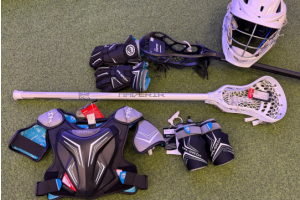
| Boys Field Player | Lacrosse stick, helmet, gloves, shoulder pads/chest protector (ND200-certified), arm pads, mouthguard, protective cup or pelvic protector, cleats or athletic shoes. |
| Girls Field Player | Girls lacrosse stick, protective eyewear/goggles (ASTM F3077), mouthguard, cleats or athletic shoes. |
| Boys Goalie | Goalie stick, helmet, throat protector, goalie chest protector (ND200-certified), goalie gloves, mouthguard, protective cup or pelvic protector, cleats or athletic shoes. |
| Girls Goalie | Goalie stick, helmet with face mask and chinstrap, throat protector, padded gloves, chest protector (ND200-certified), pelvic protector, shin padding, thigh padding, mouthguard. |
The most important thing before any purchase: Confirm your player's game type (boys vs. girls), their position, and their league's specific equipment rules. This checklist is a comprehensive starting point, but your coach or league's requirements should always take priority.
First, Choose the Right Lacrosse Checklist
The right gear list depends entirely on the player's game and position.
- If your player is in boys field lacrosse, use the boys field player checklist.
- If your player is in girls field lacrosse, use the girls field player checklist.
- If your player is a goalie, skip the field-player setup entirely and go straight to the goalie checklist.
- If your player is in youth lacrosse, check age-group and league rules before buying position-specific gear.
- If you're unsure — ask the coach, school, club, or league before committing to a full setup.
This distinction matters because boys and girls lacrosse use different rules, different contact levels, and different required protective equipment. Because the rules regarding physical contact are different, the protective requirements differ as well. The guys' game, which allows body checking and stick checking, is focused on full-body protection. The girls' game, where contact is more restricted, has a more streamlined gear list.
Why Lacrosse Gear Requirements Are Different
There are key differences in the required protective equipment between the boys' and girls' game, as well as between field players and goalies. Box lacrosse also has its own unique gender-neutral equipment requirements.
Minimal equipment is required in girls' and women's lacrosse due to its non-contact nature. A stick, mouthguard, and protective eyewear are the only required items for most players. Headgear and close-fitting gloves are optional for girls field players.
Boys field players are required to use a helmet, stick, gloves, shoulder pads, arm pads, a mouthguard, and a protective cup.
Youth rules can also vary by age group, league, school, tournament, or state. Use this guide as a strong starting point — then confirm final requirements with your coach or league before the first game.
Boys Lacrosse Field Player Gear Checklist
Boys field players need a full protective setup. The goal is to protect the head, hands, arms, chest, mouth, and lower body while still allowing the player to run, pass, catch, shoot, and defend comfortably.
1. Boys Lacrosse Stick
A lacrosse stick is required for every player. Lacrosse sticks are made from composite, metal alloy, wood, nylon, plastic, and other synthetic materials with a head attached at the end.
Midfielders and attackmen in boys' and men's lacrosse use short shafts, requiring a stick between 40 and 42 inches. Defensemen and long-stick midfielders use long shafts, requiring a stick between 52 and 72 inches.
For a first-time player who doesn't know their position yet, a complete stick is the simplest place to start. A complete stick comes ready to play with a pre-strung head attached to the shaft, allowing beginners to focus on learning fundamentals instead of assembling equipment.
Before Buying a Lacrosse Stick
| What to Check | Why It Matters |
|---|---|
| Made for boys' or men's lacrosse | Ensures the stick meets the correct rules and specifications. |
| Correct length for the player's position and age | Proper stick length improves control and complies with league rules. |
| Pocket is game-ready or easily adjustable | A properly strung pocket makes catching, throwing, and shooting much easier. |
| Designed for beginners or advanced players | Beginners benefit from forgiving, easy-to-use complete sticks. |
StringKing Complete 2 Junior Youth Lacrosse Stick
$99.99
2. Lacrosse Helmet
A helmet is required for boys field players and must meet NOCSAE standards. All major rule sets require a NOCSAE-certified lacrosse helmet.
Fit matters just as much as the helmet itself. The helmet should sit level on the head, approximately one finger-width above the eyebrows. The chin strap should be snug enough that the helmet doesn't shift or wobble while running.
Helmet Fit Checklist
| Fit Check | Why It Matters |
|---|---|
| Helmet sits level about one finger-width above the eyebrows | Provides proper forehead protection and maintains clear vision. |
| Padding feels firm and evenly contacts the head | Keeps the helmet stable while helping absorb impacts. |
| Chin strap is properly adjusted and snug | Prevents the helmet from shifting during play. |
| Helmet does not slide during movement | Maintains consistent protection while running, cutting, and checking. |
| Facemask is straight, undamaged, and doesn't obstruct vision | Allows players to see clearly while protecting the face. |
| Helmet feels comfortable without pressure points | Improves comfort during long practices and games while encouraging proper use. |
Do not buy a helmet simply because it matches a favorite player's setup or team colors. For beginners, certification, fit, and safety should always come before appearance.
Cascade XRS Pro Lacrosse Helmet
$329.99
3. Mouthguard
A mouthguard is required for boys field players. It must be a visible (non-clear) color so officials can confirm it from the sideline.
Every player needs a mouthguard that stays in place during play. Boil-and-bite styles are common for beginners, but it's worth making sure they're properly molded and worn every time.
Keep a backup mouthguard in the gear bag—they're small, inexpensive, and easy to lose.
Before Buying a Mouthguard
| What to Check | Why It Matters |
|---|---|
| Fits the player's mouth properly after molding | A secure fit provides better protection and comfort. |
| Allows comfortable breathing and speaking | Players are more likely to wear it consistently during games and practices. |
| Visible color (not clear or white) | Officials must be able to verify the mouthguard is being worn. |
| Meets league-specific requirements | Some leagues have additional color or style rules. |
4. Lacrosse Gloves
Gloves are required for boys field players. They should offer flexibility through the fingers while keeping the back of the hand shielded from checks. The cuff should fully cover the wrist.
For beginners, gloves should feel protective without being so stiff that the player struggles to grip or control the stick. Attack and midfield players often prefer more flexibility for stick handling, while defensemen may prioritize durability and coverage.
Before Buying Lacrosse Gloves
| What to Check | Why It Matters |
|---|---|
| Correct fit for the player's hand size | Proper sizing improves comfort, protection, and stick control. |
| Comfortable grip and full range of motion | Players need to handle the stick naturally without restriction. |
| Wrist is fully covered by the cuff | The wrist is a common target area during checks. |
| Lacrosse-specific glove design | Lacrosse gloves are built for the sport's unique movement and protection needs. |
5. Arm Pads, Arm Guards, or Elbow Pads
Boys field players need arm protection. The amount of coverage often depends on position, contact level, and personal preference.
Attack players face more checks and may prefer fuller arm guards. Midfielders often look for a balance of protection and mobility. Defensemen may prefer lighter elbow protection since they typically carry longer sticks. For beginners, dependable protection is more important than lightweight, advanced features.
Before Buying Arm Protection
| What to Check | Why It Matters |
|---|---|
| Coverage matches the player's position | Attack players usually need more protection, while defensemen may prioritize mobility. |
| Pads stay in place while running | Shifting pads leave impact areas exposed during play. |
| Elbow and key impact zones are fully covered | These are the areas most likely to absorb checks and contact. |
| Comfortable for a full practice or game | Comfort encourages consistent use throughout the season. |
Nike Vapor Elite 25 Lacrosse Arm Pads
$109.99
6. Protective Cup or Pelvic Protector
A protective cup or pelvic protector is required for boys field players and is one of the most commonly forgotten pieces of equipment. Add it to your gear order early instead of realizing it's missing on game day.
Make sure the player knows how to wear it correctly, either with an athletic supporter or compression shorts that include a built-in cup pocket.
Cleats or Athletic Shoes
Cleats are recommended for natural grass fields, while turf shoes work best on artificial surfaces. Choose supportive footwear that fits properly and provides reliable traction during running, cutting, and quick changes of direction. Soccer cleats are also acceptable in many leagues—they do not have to be lacrosse-specific.
Before Buying Cleats or Turf Shoes
| What to Check | Why It Matters |
|---|---|
| Player uses grass, turf, or both | Different surfaces require different traction patterns for safety and performance. |
| Shoe fits securely without slipping | A secure fit reduces the risk of blisters and ankle instability. |
| Comfortable for running, cutting, and changing direction | Lacrosse involves constant acceleration, deceleration, and lateral movement. |
| League or facility footwear rules are met | Some fields prohibit certain cleat types or stud patterns. |
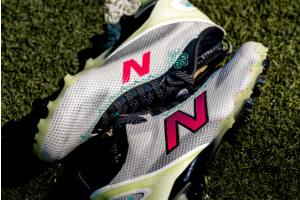
New Balance Burn X5 Low Lacrosse Cleats
$103.99
7. Optional Boys Lacrosse Gear
Once all required equipment is covered, players may want to add a few extras to improve convenience, practice time, and overall game-day preparation.
| Optional Gear |
|---|
| Rib pads |
| Gear bag |
| Extra mouthguard |
| Athletic tape |
| Backup or practice stick |
| Lacrosse balls |
| Water bottle |
| Training aids (rebounder or backyard goal) |
Prioritize required safety gear before purchasing optional accessories or performance upgrades.
Girls Lacrosse Field Player Gear Checklist
Girls field lacrosse has its own equipment requirements. There is no body checking in the women's game, so the protective requirements are lighter: ASTM-certified goggles, a mouthguard, and a stick built around the women's pocket rules.
1. Girls Lacrosse Stick
A girls lacrosse stick is required and must be designed and legal for girls or women's lacrosse. A girl's crosse must be an overall length of 35.5–43.25 inches. The head must be seven to nine inches wide.
The pocket is where beginners often run into trouble. The pocket depth rule is stricter than the men's game — check it at every practice. The top of the ball when dropped in the pocket must remain above the side walls.
Before buying, check:
- Is it made for girls or women's lacrosse?
- Is the head on the USA Lacrosse legal stick list?
- Is the pocket appropriate and legal for the player's level?
- Does the ball move freely in the pocket?
- Is it beginner-friendly, or more advanced?
STX Crux Core Lock Complete Women's Lacrosse Stick
$149.99
Gait Whip 2 Strung Mesh Women's Lacrosse Stick
$299.99
2. Protective Eyewear or Goggles
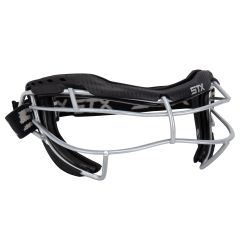
Protective eyewear is required for girls field players. It must meet ASTM F3077. Goggles, not a cage — this is one of the biggest equipment differences between the women's and men's game.
Goggles must stay in place while running, cutting, passing, and defending — not slide down or distract the player.
Before buying, check:
- Is the eyewear approved and ASTM F3077 compliant?
- Does it fit securely without slipping?
- Can the player see clearly and without distortion?
- Is it comfortable with the player's hairstyle or head shape?
- Do not substitute regular sports glasses or fashion eyewear.
3. Mouthguard
A mouthguard is required for girls field players. It must cover the teeth fully, be a visible color, and be comfortable enough that the player actually wears it throughout practice and games.
Before buying, check:
- Does it fully cover the teeth after molding?
- Is it comfortable enough to wear consistently?
- Does the league have color or design restrictions?
- Is a backup available in the gear bag?
4. Cleats or Athletic Shoes
Girls field players need cleats or athletic shoes for traction. Lacrosse involves quick cuts, ground balls, and constant direction changes. Girls benefit from cleats with solid lateral support and a lightweight build. Brands often market cleats by sport, but it's really about comfort and traction.
Choose based on field surface (grass vs. turf), fit, and any league footwear rules. Soccer, field hockey, and lacrosse-specific cleats can all work.
5. Optional Girls Lacrosse Gear
Girls field players may also use optional gear depending on comfort, weather, position, and league rules:
- Close-fitting gloves (popular in cold weather)
- Headgear
- Gear bag
- Athletic tape
- Backup stick
- Lacrosse balls
- Training aids
- Water bottle
Headgear note: Headgear use is optional in girls' and women's lacrosse — however, any headgear used must meet the ASTM standard, F3137. Headgear that meets ASTM F3137 is now permitted and, in some leagues encouraged, at the youth and high school level. Headgear is never a substitute for required protective eyewear.
Lacrosse Goalie Gear Checklist
Goalies require specialized equipment that goes well beyond a standard field player's setup. Because they're constantly facing high-speed shots from close range, every piece of gear is designed to maximize protection while maintaining mobility inside the crease.
Whether you're shopping for a new youth goalie or upgrading an experienced player, start with the required protective equipment before considering optional accessories.
Quick Goalie Equipment Checklist
| Equipment | Required? | Why It Matters |
|---|---|---|
| Goalie Stick | Required | Larger head designed for making saves and clearing the ball. |
| Goalie Helmet | Required | Protects against high-speed shots and collisions. |
| Throat Protector | Required | Protects the throat and trachea from direct impacts. |
| Goalie Chest Protector | Required | Must meet current ND200 safety standards. |
| Goalie Gloves | Required | Extra thumb protection and reinforced palms. |
| Cup / Pelvic Protector | Required | Critical lower-body protection. |
| Cleats or Turf Shoes | Required | Provides traction for quick crease movement. |
| Shin Guards, Thigh Pads, Goalie Pants | Optional | Extra protection depending on age, league, and comfort. |
1. Goalie Stick
A goalie stick is required and features a much larger head than a field stick, allowing goalies to stop shots and control rebounds more effectively.
For new players, a complete goalie stick is the easiest option since it comes game-ready with a pre-strung pocket.
Before buying, consider:
- Goalie-specific head with legal dimensions
- Correct shaft length for the player's age
- Ready-to-play pocket
- Comfortable balance and weight
STX Eclipse 3 Complete Goalie Lacrosse Stick
$199.99
2. Goalie Helmet & Throat Protector
Every goalie must wear a certified lacrosse goalie helmet paired with a throat protector. Unlike field players, the throat guard is mandatory because of the frequency of direct shots to the neck area.
Fit Checklist:
- Helmet sits level on the head
- Chin strap fits snugly
- Face mask doesn't obstruct vision
- Throat protector hangs securely without excessive movement
3. Goalie Chest Protector
The goalie chest protector is one of the most important pieces of equipment. Current USA Lacrosse rules require all goalie chest protectors to meet the NOCSAE ND200 standard, which was developed to reduce the risk of commotio cordis from impacts to the chest.
If purchasing used equipment, verify the protector carries the proper ND200 certification label.
Before buying, check:
- ND200 certification label
- Correct sizing without restricting movement
- Adjustable shoulder and waist straps
- Comfort while making saves and clearing
Maverik MX EKG Goalie Chest Protector
$99.99
4. Goalie Gloves
Goalie gloves feature reinforced palms and additional thumb protection compared to field gloves. They allow goalies to absorb repeated impacts while maintaining stick control.
Before buying, check:
- Goalie-specific design
- Full thumb protection
- Comfortable wrist mobility
- Secure fit without excess movement
5. Cup, Footwear & Uniform
Every goalie also needs a protective cup or pelvic protector, cleats or turf shoes, and the required team uniform. These items are sometimes overlooked while shopping for larger pieces of equipment, so add them to your checklist early.
6. Optional Goalie Accessories
Many goalies add extra protection based on age, competition level, and personal preference.
- Shin guards
- Thigh padding
- Goalie pants
- Additional arm protection
- Padded compression shorts or shirts
Always verify optional equipment complies with your league's rules before adding bulk or additional padding.
Girls Lacrosse Goalie Gear
Girls lacrosse goalies also need a separate goalie checklist. Girls goalies are required to wear a helmet with face mask, a separate throat protector, padded gloves, and a chest protector.
Required girls goalie gear includes:
- Goalie-specific stick
- Helmet with face mask and chinstrap
- Throat protector
- Padded gloves
- Chest protector (ND200-certified)
- Pelvic protector
- Shin padding
- Thigh padding
- Mouthpiece
Girls goalies also benefit from arm and shoulder padding. Any added padding should not excessively increase body size or interfere with movement — confirm with the coach or league.
STX Shield 400 Goalie Chest Protector
$139.99
Youth Lacrosse Gear Notes by Age
Youth lacrosse rules can vary by age group and organization. The goal at younger levels is skill development, safety, and age-appropriate play.
| Age / Level | Key Gear Notes |
|---|---|
| 6U & 8U | Often use modified rules with smaller playing areas and a beginner-focused format. Confirm whether your league uses standard or soft lacrosse balls and whether goalies are part of the game. |
| 10U | Rules may vary between small-sided and full-field play. Stick length, contact rules, goalie use, and field dimensions can differ by league. |
| 12U | Equipment expectations become more standardized, and players begin developing position-specific skills and responsibilities. |
| 14U | Rules closely resemble full-field play, making position-specific equipment and protective gear more important. |
| High School | Always verify your school's, state's, NFHS, and league's equipment requirements before purchasing or upgrading gear. |
For youth players, avoid buying advanced position-specific gear too early unless your player has already settled into a specific role. Many beginners rotate between midfield, attack, defense, and even goalie as they develop.
If Your Player Is Coming From Another Sport
Many lacrosse beginners come from soccer, basketball, hockey, football, or field hockey. Those sports can help build athleticism, but they don't replace lacrosse-specific gear requirements.
- From soccer: The cleats, field movement, and conditioning may feel familiar — but the stick, mouthguard, and protective equipment rules are brand new.
- From basketball: Cuts, spacing, and quick direction changes transfer well. The gear checklist still starts from scratch based on game type and position.
- From hockey: The helmet, gloves, and goalie comparison may feel intuitive — but lacrosse protective gear is sport-specific. A hockey helmet, hockey gloves, or hockey goalie chest protector should not be treated as a direct substitute for required lacrosse equipment unless the league specifically allows it.
Required vs. Recommended vs. Optional Lacrosse Gear
Use this table as a quick-reference checklist before shopping for lacrosse equipment.
| Gear | Boys Field | Girls Field | Goalies (Both) |
|---|---|---|---|
| Stick | Required | Required (girls-specific) | Required (goalie-specific) |
| Helmet | Required | Not required for field players | Required |
| Protective Eyewear / Goggles | Not used | Required (ASTM F3077) | Not a substitute for a goalie helmet |
| Mouthguard | Required (visible color) | Required (visible color) | Required |
| Gloves | Required | Optional | Required (goalie-specific) |
| Shoulder / Chest Protection | Required (ND200-certified) | Not required for field players | Required (ND200-certified) |
| Arm Protection | Required | Optional | Optional / Recommended |
| Throat Protector | Not required | Not required | Required |
| Cup / Pelvic Protector | Required | Not standard field gear | Required |
| Cleats / Athletic Shoes | Required | Required | Required |
| Gear Bag | Recommended | Recommended | Recommended |
What Do NOCSAE, ASTM, SEI, ND200, F3077, and F3137 Mean?
You'll see safety labels on lacrosse equipment. Here's what they actually mean — and why they matter.
NOCSAE
All major rule sets require a NOCSAE certified lacrosse helmet. NOCSAE conducts rigorous tests and sets standards for safe athletic equipment, including lacrosse helmets. NOCSAE also created the ND200 performance standard for chest protection.
SEI
All products that meet the NOCSAE standard ND200 must be certified by the independent Safety Equipment Institute (SEI) and include the NOCSAE Lacrosse label. When you see the SEI mark, it means the product has been third-party verified.
ND200
The NOCSAE performance standard ND200 was developed to help protect athletes against one of the leading causes of sudden cardiac death in sports. Shoulder pads for boys' and men's lacrosse must be NOCSAE ND200 compliant. The ND200 standard exists specifically to protect against commotio cordis and is the current requirement for boys' and men's lacrosse chest protection.
ASTM F3077
Protective eyewear for women's and girls' lacrosse is required and must meet ASTM F3077. Girls and women's lacrosse goggles must carry this certification to be legal for play.
ASTM F3137
Any headgear used in girls' and women's lacrosse must meet the ASTM standard F3137. This applies when headgear is worn — it does not replace required goggles.
The bottom line: For safety-sensitive equipment, don't rely only on appearance, price, or brand recognition. Check the product details, look for certification marks, and confirm with your league. Consumers are also encouraged to check the SEI website under Program: Chest Protectors (Lacrosse) to verify that a specific brand is listed as approved.
Starter Kit vs Buying Lacrosse Gear Separately
Many first-time families wonder whether to buy a lacrosse starter kit or build a setup piece by piece. Both can work — it depends on the player.
When a Starter Kit Makes Sense
A starter kit is a smart choice when:
- The player is brand new to lacrosse
- They're not sure which position they'll play
- Parents want a simpler, faster first purchase
- The player is joining a beginner or recreational program
- Budget is a major factor for the first season
Starter kits offer great value and convenience, especially for first-time players and parents. These kits bundle all the essential gear in one package, saving time and often money. They typically include a lacrosse stick, helmet, gloves, and pads, and some also come with a gear bag for easy transport.
When to Buy Gear Separately
Buying separately may be better when:
- The player has a confirmed position
- They need a specific helmet, glove, or pad fit
- The player is a goalie
- They need a legal girls stick and eyewear setup
- They're upgrading from beginner gear
- They're playing at a more competitive level
Goalies especially need specialized equipment that may not be covered in a general beginner kit.
Common Beginner Lacrosse Gear Buying Mistakes
Avoid these first-season pitfalls before they cost you time and money.
Buying the Same Gear for Boys and Girls Lacrosse
Boys and girls field lacrosse do not use identical gear setups. Boys need full protective equipment; girls need a legal stick, certified eyewear, and mouthguard.
Forgetting That Goalies Need Separate Gear
Goalies need everything field players need plus dedicated head, chest, and — for the women's game — leg protection. Don't try to retrofit field gear for goalie use.
Buying Older Shoulder Pads Without Checking Standards
Some previous models of shoulder pads have an added heart or chest pad, but unless they have the NOCSAE stamp or tag, they are not legal under the current rules. Be especially careful with used or hand-me-down gear.
Buying a Girls Stick Without Checking Legality
A girls lacrosse stick must be legal for play at the head level and the pocket must remain legal throughout use. The pocket can become illegal if it's too deep, altered incorrectly, or doesn't allow the ball to move freely.
Choosing a Helmet That's Too Loose
Helmets should be sized according to manufacturer guidelines, with the chin strap secured and the facemask aligned with the player's eyeline. If a helmet shifts during a jog or doesn't sit level, it's not game-ready. Don't buy a larger size thinking the player will grow into it.
Forgetting Small Required Items
Mouthguards, cups, pelvic protectors, and backup mouthguards are easy to miss on the first order. Add them early — they're small, inexpensive, and essential.
Buying Position-Specific Upgrades Too Early
If a beginner doesn't know their position yet, start with reliable basic gear. Upgrade once the player knows whether they're playing attack, midfield, defense, or goalie.
Choosing Cleats Without Considering the Field Surface
Many players choose to wear cleats on grass fields and regular sneakers or turf shoes on turf fields. Check the team's practice and game surfaces before you buy.
Copying Pro Gear Before Checking League Rules
Pro players use custom setups and advanced pockets designed for their specific style. Beginners should start with legal, well-fitting equipment that suits their level — not a pro's highlight-reel setup.
Before Your First Practice: Lacrosse Gear Checklist
Print this out and pack the bag the night before.
- ☐ Correct lacrosse stick for game type and position
- ☐ All required protective gear (see player type checklist above)
- ☐ Properly fitted mouthguard (visible color)
- ☐ Cleats or athletic shoes for the surface
- ☐ Water bottle
- ☐ Practice clothes
- ☐ Backup mouthguard
- ☐ Gear bag
- ☐ Athletic tape (if needed)
- ☐ Coach or league equipment confirmation
For young players: Label all gear with the player's name. Gloves, mouthguards, sticks, and water bottles get mixed up fast at practice.
Before Your First Game: Lacrosse Gear Checklist
- ☐ All required protective equipment checked and properly fitted
- ☐ Helmet properly fitted, chinstrap snug (boys, goalies)
- ☐ Goggles properly fitted (girls field players)
- ☐ Legal stick for game type
- ☐ Mouthguard (visible color, not clear)
- ☐ Cup or pelvic protector where required
- ☐ Cleats or athletic shoes
- ☐ Full uniform
- ☐ Backup mouthguard
- ☐ Water bottle
- ☐ Any league, school, or tournament-required items
For girls lacrosse, check stick legality before game day. For boys lacrosse and goalies, check helmet fit, chinstrap, gloves, and chest protection before leaving the house.
What About Sixes Lacrosse Gear?
Sixes is a faster, smaller-sided version of lacrosse that's gaining major visibility — especially with its inclusion in the Olympic program. It's a great way for new fans and athletes to discover the sport.
That said, Sixes does not replace your league's gear checklist. Equipment requirements still depend on the player's age, sex, position, governing body, and local rules. If your player is joining a Sixes program, ask the coach or league for the exact equipment list before buying.
Final Buying Advice for Parents and Beginners
If you're buying beginner lacrosse gear for the first time, keep it simple.
Start with the player type. Boys field, girls field, and goalie gear are different. Then prioritize required safety equipment before upgrades. A properly fitted helmet, legal stick, ND200-compliant chest protection, ASTM-certified goggles, and a well-fitted mouthguard matter far more than the flashiest colorway.
If your player is brand new, don't feel pressured to buy the most advanced setup right away. Choose gear that fits, meets the rules, and helps the player practice confidently. Once they know their position and playing style, upgrading is easy.
Lacrosse is fast, fun, and physical. The right beginner lacrosse gear helps players feel prepared from the first practice to the first game — and that confidence carries over onto the field.
Ready to gear up? Shop the full range of beginner lacrosse gear at LacrosseMonkey.com — including complete sticks, helmets, shoulder pads, goggles, and starter kits for boys, girls, and goalies at every level.
Frequently Asked Questions
What gear do beginner lacrosse players need?
Beginner lacrosse players need different gear depending on the type of lacrosse they play. Boys field players need a stick, helmet, gloves, shoulder pads or chest protection (ND200-certified), arm pads, mouthguard, protective cup or pelvic protector, and cleats. Girls field players need a girls lacrosse stick, ASTM F3077-certified protective eyewear, mouthguard, and cleats. Goalies need goalie-specific equipment: a goalie stick, helmet, throat protection, ND200-certified chest protection, goalie gloves, and additional required padding.
What gear does my child need for youth lacrosse?
Youth lacrosse gear depends on age group, boys vs. girls play, position, and league rules. Start with the required gear for the player's game type, then confirm with the coach or league before buying advanced or position-specific equipment. At younger age groups (6U–10U), modified rules may change the gear requirements significantly.
Do girls lacrosse players need helmets?
Most girls field players are required to wear ASTM F3077-certified protective eyewear (goggles) and a mouthguard — not a helmet. Headgear use is optional in girls' and women's lacrosse, but any headgear used must meet the ASTM standard F3137. Headgear is not a substitute for required protective eyewear. Girls goalies, however, must wear a helmet with a face mask and chinstrap.
Are lacrosse starter kits worth it?
Lacrosse starter kits can be worth it for first-time youth players, especially when the player doesn't yet know their position. These all-in-one sets suit youth players and those joining recreational leagues, making it easier to get fully equipped without the hassle of buying each item separately. Choosing a starter kit also helps ensure gear compatibility and proper fit. Goalies and more advanced players usually need more specialized equipment that a standard kit may not cover.
What is the most important lacrosse gear to buy first?
Required safety gear and the correct stick should always come first. For boys field players: helmet, gloves, ND200-certified shoulder or chest protection, arm protection, mouthguard, protective cup, and stick. For girls field players: a legal girls lacrosse stick, ASTM F3077 goggles, and mouthguard. Goalies need goalie-specific protective gear — helmet, throat protection, ND200-certified chest protector, and goalie gloves — before stepping into the cage.
Can my child use used lacrosse gear?
Used lacrosse gear can work for some items, but safety-sensitive equipment requires a careful inspection. Some previous models of shoulder pads may not meet current requirements — unless they have the NOCSAE stamp or tag, they are not legal under the new rules. Avoid damaged helmets, bent facemasks, cracked pads, outdated chest protection, or altered gear. When in doubt, ask a coach, league official, or equipment expert before using it.
Do lacrosse goalies need different gear than field players?
Yes — significantly different. Goalies need everything field players need plus dedicated head, chest, and — for the women's game — leg protection. Goalies use a goalie-specific stick with a wider head, an ND200-certified goalie chest protector, goalie-specific gloves with extra thumb protection, and a throat protector attached to the helmet. Field player gear is not a substitute for proper goalie equipment.
What does ND200-certified mean for lacrosse shoulder pads?
NOCSAE ND200 is the first-ever performance standard for chest protection in lacrosse. Product compliance with ND200 reduces impact forces and the risk of commotio cordis — cardiac arrest caused by a blow to the heart area. Effective January 1, 2022, shoulder pads for boys' field players must be designed for lacrosse and meet NOCSAE standard ND200. Look for the NOCSAE logo and SEI certification mark on the product label before purchasing.
Find everything on this list at LacrosseMonkey.com — complete lacrosse starter kits, helmets, sticks, shoulder pads, goggles, gloves, and goalie gear for every player type, position, and budget.